Jonas Reed · 13 October 2026
Shifts in Sequential Data Overlays and Their Role in Sustaining Content Reach After Backend Platform Adjustments
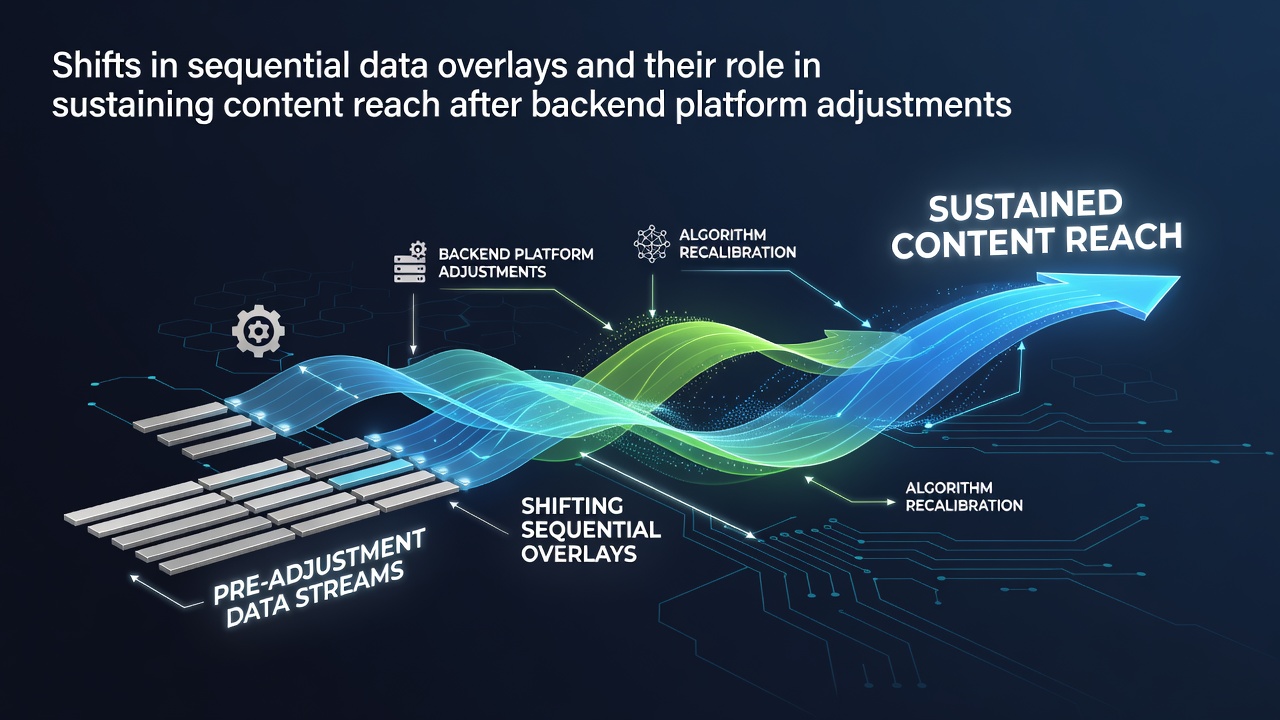
Sequential data overlays function as layered annotations that track time-stamped changes across content streams, and these structures help maintain visibility when platforms undergo backend modifications. Data processing pipelines rely on such overlays to preserve sequence integrity while routing updates through revised server architectures. Observers note that without these mechanisms content distribution often experiences interruptions because new indexing protocols fail to recognize legacy markers.
Understanding Sequential Data Overlays in Platform Ecosystems
Sequential data overlays consist of metadata stacks that attach chronological identifiers to individual content segments, allowing systems to reconstruct timelines after infrastructure revisions. Researchers at institutions studying digital preservation have documented how these overlays integrate with application programming interfaces during migration events. When backend adjustments occur the overlays serve as reference points that prevent loss of ranking signals tied to original publication sequences. Studies from the National Institute of Standards and Technology indicate that platforms employing robust overlay protocols retain higher percentages of organic traffic post-update compared with those lacking such frameworks.
Platform operators apply these overlays through automated scripts that scan existing datasets and append new fields without altering core content files. This approach ensures continuity because search algorithms continue to interpret historical patterns even after database schemas change. In October 2026 several content networks reported sustained reach metrics following large-scale backend revisions precisely because their overlay systems had been updated in advance.
Impact of Backend Adjustments on Content Distribution
Backend adjustments frequently involve server migrations, algorithm recalibrations, and storage reallocations that disrupt established data flows. Sequential overlays mitigate these disruptions by maintaining cross-references between old and new data structures. Evidence from multiple industry reports shows that content providers who neglect overlay maintenance encounter drops in discoverability lasting several weeks. Those who implement proactive shifts see reach metrics stabilize within days because the overlays allow crawlers to follow unbroken sequences.
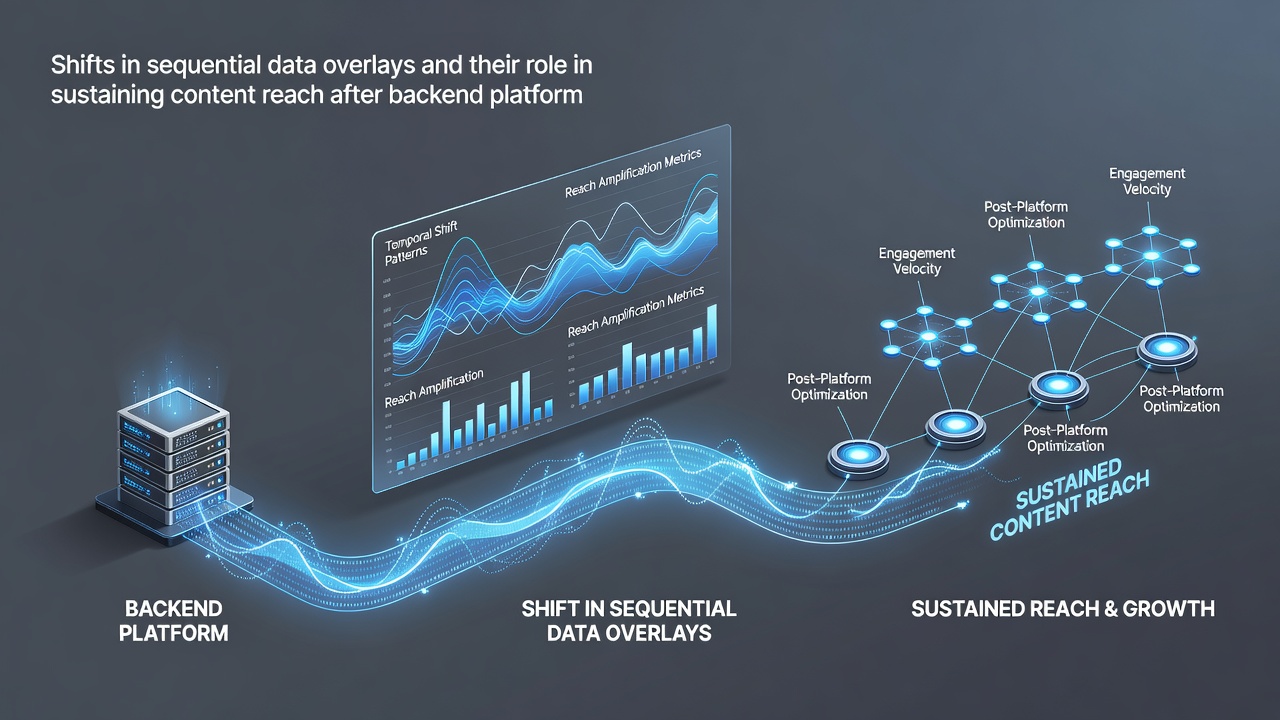
Take one logistics company that tracked publication timelines across regional sites. After a cloud provider altered its indexing service the firm updated its overlay markers to reflect new timestamp formats. Reach levels held steady because external aggregators continued to receive consistent sequence data. Similar patterns appear in academic repositories where overlay adjustments preserved citation chains following database consolidations.
Mechanisms for Sustaining Reach Through Overlay Shifts
Effective overlay shifts require synchronization between content management systems and external indexing services. Automated tools scan for discrepancies in sequence identifiers and apply corrections before backend changes take effect. Data from Eurostat on digital infrastructure usage reveals that organizations investing in these synchronization processes experience fewer visibility gaps. The process typically begins with an audit of existing markers followed by mapping exercises that align old identifiers with anticipated new formats.
Platforms also incorporate redundancy layers within overlays so that partial failures do not cascade into total reach loss. When one sequence branch becomes inaccessible the system falls back to secondary markers that carry equivalent chronological information. This redundancy proves especially useful during phased rollouts where different server clusters update at staggered intervals.
Case Examples from Recent Platform Transitions
One media archive adjusted its sequential overlays ahead of a major storage migration scheduled for late 2025. The archive preserved access pathways for external researchers by ensuring every content item retained dual timestamp references. Post-migration analytics showed that query volumes remained consistent because search engines encountered no broken sequence chains. Another example involves an educational platform that revised overlay logic after its hosting provider introduced new latency controls. Reach among international users stayed level because the overlays continued to present content in original chronological order despite altered delivery routes.
These cases demonstrate that overlay management operates as a continuous process rather than a one-time fix. Teams monitor performance indicators such as sequence match rates and adjust parameters accordingly. Research published through academic channels further supports the observation that consistent overlay maintenance correlates with stable content metrics across multiple adjustment cycles.
Conclusion
Sequential data overlays provide the structural continuity necessary for content to retain reach after backend platform adjustments. Their role centers on preserving chronological integrity and enabling seamless transitions between data environments. Organizations that monitor and update these overlays maintain distribution pathways even when underlying systems evolve. Ongoing developments in data handling practices continue to emphasize the value of these mechanisms for long-term content accessibility.