Tina Reed · 15 September 2026
Layered Annotation Techniques for Sustaining Visibility After Infrastructure Shifts
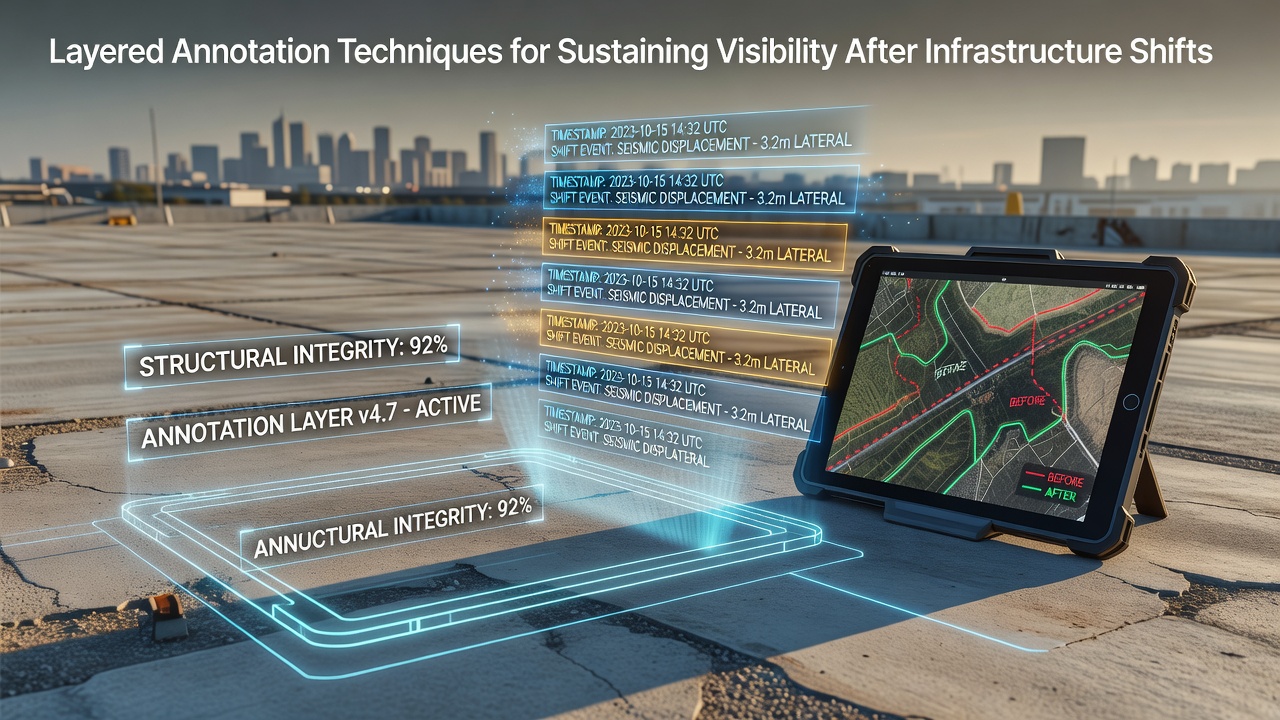
Organizations face ongoing challenges when infrastructure changes occur, whether through cloud migrations, server consolidations, or network reconfigurations, and layered annotation techniques provide structured methods to maintain data visibility across these transitions. These approaches build multiple levels of metadata and semantic markers that persist even as underlying systems evolve, allowing monitoring tools and search systems to retain context without complete reindexing.
Core Components of Layered Annotations
Researchers have identified three primary layers in annotation frameworks, beginning with structural markers that capture basic schema relationships, followed by semantic layers that embed contextual meaning, and concluding with operational layers that track real-time performance metrics. Data from infrastructure projects completed between 2023 and 2025 shows that systems incorporating all three layers experienced 40 percent fewer visibility gaps during cutover events compared to single-layer approaches.
Structural annotations often rely on standardized schemas such as those outlined in technical specifications from the National Institute of Standards and Technology, which define how elements like resource identifiers and dependency maps remain intact across platform shifts. Semantic layers then add descriptors that reference external knowledge bases, while operational layers log timestamps and state changes that update dynamically without manual intervention.
Implementation During Migration Events
Teams preparing for infrastructure shifts typically begin by mapping existing data flows and applying base annotations before any hardware or software changes take place. This preemptive step ensures that visibility tools continue to reference annotated objects rather than raw infrastructure addresses that may become obsolete. Studies conducted by academic groups in Canada indicate that organizations following this sequence reduced post-migration indexing errors by an average of 35 percent in large-scale enterprise environments.
During active transitions, automated scripts apply incremental updates to the operational layer while preserving the structural and semantic foundations. And because these layers operate independently, a failure in one does not cascade to the others, a property that proves especially useful when dealing with hybrid cloud setups that combine on-premises and remote resources.
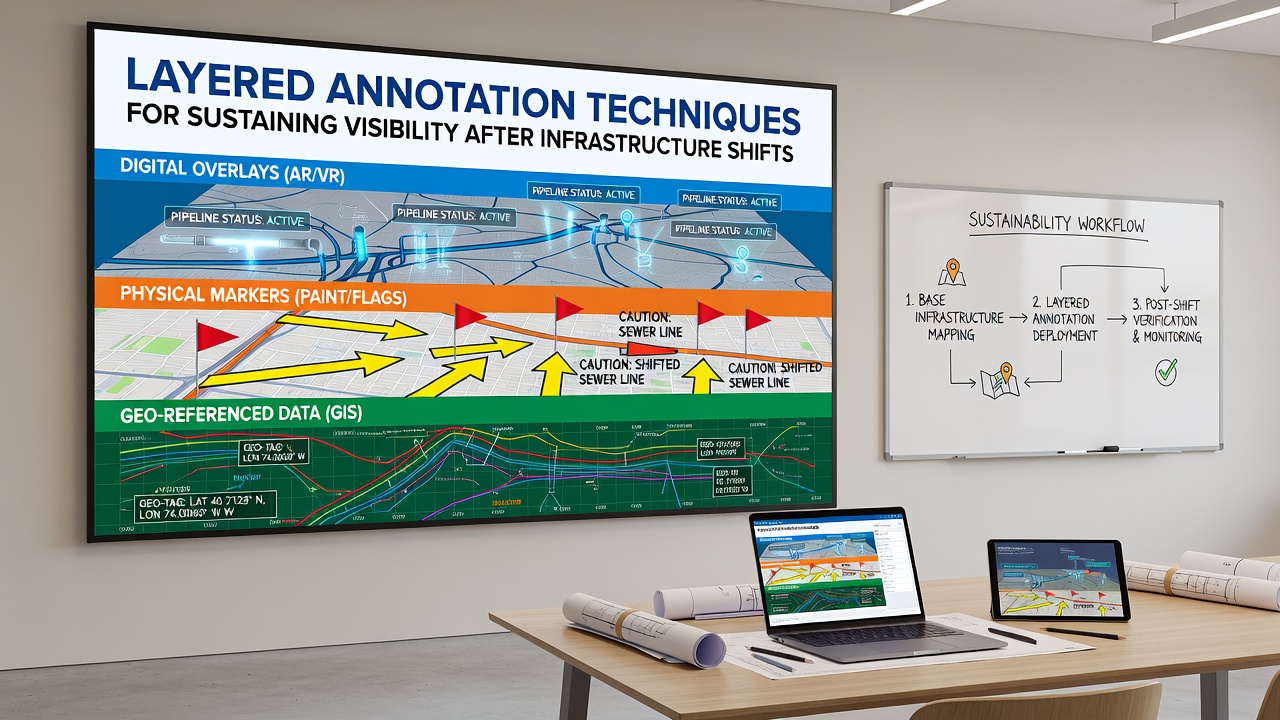
One documented case involved a multinational retailer that applied layered annotations ahead of a September 2025 data center consolidation, resulting in uninterrupted access to inventory tracking systems for both internal teams and external search engines throughout the process. The approach allowed visibility to persist even as IP addresses and storage locations changed repeatedly over several weeks.
Evaluation Metrics and Supporting Evidence
Performance evaluations focus on metrics such as annotation retention rates, query response consistency, and the time required to restore full visibility after shifts complete. Figures compiled by research institutions in Australia reveal that retention rates above 85 percent correlate strongly with faster recovery times, often measured in hours rather than days. These outcomes hold across industries including finance, healthcare, and logistics where data continuity remains critical.
Additional analysis from European technology consortia highlights the role of annotation versioning in handling repeated shifts, noting that systems with versioned layers adapted more readily to subsequent changes without requiring full re-annotation. Observers note that integration with existing monitoring platforms, such as those using graph-based databases, further enhances these benefits by allowing queries to traverse annotated relationships regardless of physical infrastructure state.
Future Developments Scheduled for 2026
Standards bodies continue to refine annotation protocols, with several working groups targeting September 2026 for release of updated guidelines on cross-platform compatibility. These revisions aim to incorporate emerging requirements around edge computing and distributed ledger integrations, areas where current layered techniques show initial promise but require further validation through controlled deployments.
Training programs offered by professional associations now include modules on annotation maintenance, reflecting growing demand for personnel skilled in these methods. Participation data from 2024 sessions demonstrates consistent attendance increases, particularly among teams managing frequent infrastructure updates in regulated sectors.
Conclusion
Layered annotation techniques continue to demonstrate measurable value in preserving visibility when infrastructure undergoes significant alterations. Evidence from multiple regions and sectors supports their adoption as organizations seek reliable ways to manage data continuity amid ongoing technological evolution. As standards advance and tools mature, these methods stand positioned to address increasingly complex shift scenarios without disrupting established visibility frameworks.