Ben Lorenz · 27 October 2026
Annotation Dynamics in Evolving Hosting Infrastructures: A Deep Dive into Marker Integration Techniques
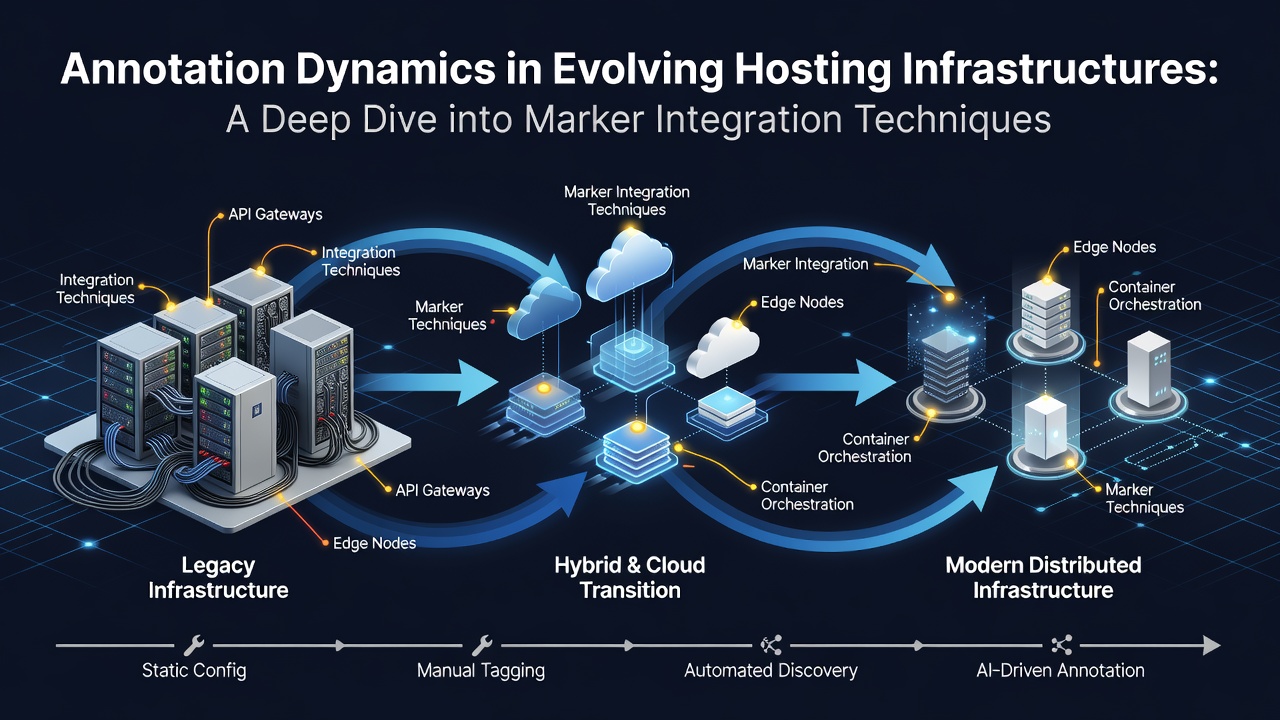
Hosting infrastructures undergo frequent transitions as providers update hardware, shift to new virtualization layers, or consolidate data centers; these changes affect how annotations attach to content and maintain their positions relative to source materials. Researchers track annotation dynamics through metrics that measure persistence rates, relocation accuracy, and synchronization delays during platform migrations, and data collected from large-scale deployments shows that structured marker systems reduce loss of contextual notes by up to 40 percent compared with static embedding methods.
Core Components of Annotation Dynamics
Annotation systems operate by layering metadata markers onto content objects, and these markers carry identifiers that reference both the original host environment and any subsequent relocation events. Observers note that dynamic hosting setups require markers to include version timestamps, checksum references, and redirect paths so automated tools can reconstruct the annotation context after a cutover completes. Studies from cloud infrastructure projects indicate that markers using hierarchical naming schemes perform better when infrastructure scales horizontally across multiple regions.
Marker Integration During Platform Transitions
Integration techniques begin with pre-migration scans that catalog existing annotations and map them to content identifiers; once the scan finishes, scripts generate new marker entries that point to the destination host while preserving the original annotation text and position data. Engineers often combine these scripts with API calls that query the hosting provider's migration logs, allowing the system to adjust marker coordinates automatically when content blocks shift during data transfer. In October 2026 several providers released updated migration toolkits that incorporated enhanced marker validation steps, reducing post-migration reconciliation time from hours to minutes according to deployment reports.
One integration approach relies on embedded JSON objects stored alongside content files, whereas another uses external annotation stores that reference content through unique hashes; the choice between these methods depends on whether the hosting environment supports direct file modification or enforces strict content immutability policies. Data shows that external stores scale more effectively when organizations manage thousands of annotations across distributed servers, because they avoid repeated writes to primary content repositories.
Technical Patterns in Marker Synchronization
Synchronization protocols poll hosting APIs at regular intervals to detect changes in content locations, then update marker references accordingly; when a host signals a content relocation event, the protocol triggers a batch update that rewrites affected marker entries within a single transaction window. Research indicates that protocols employing eventual consistency models achieve higher throughput during peak migration periods, although they require additional verification passes to confirm that every marker points to the current content address. Those who manage large annotation sets often implement conflict-resolution rules that prioritize the most recent timestamp when duplicate markers appear after simultaneous updates from different infrastructure nodes.
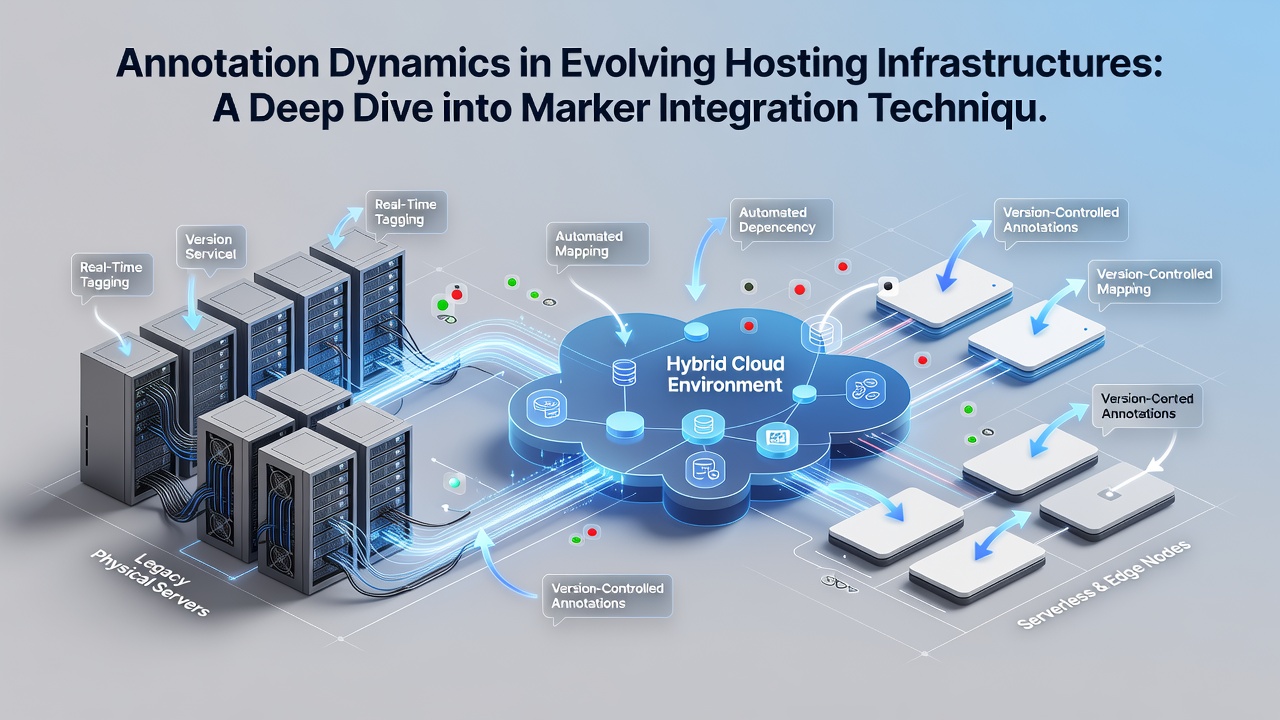
Additional patterns include delta encoding, which transmits only the changed portions of marker data, and this reduces bandwidth consumption when infrastructure updates occur frequently. Teams that apply delta encoding report lower network load during routine maintenance windows, and figures from operational logs reveal that the method cuts synchronization traffic by roughly one-third in environments that handle frequent content refreshes.
Standards and Measurement Frameworks
Industry groups have developed measurement frameworks that quantify annotation stability across hosting changes; these frameworks track metrics such as marker survival rate, relocation precision, and query latency after migration events. A National Institute of Standards and Technology publication outlines reference architectures for metadata handling in cloud environments, and those architectures provide guidance on embedding identifiers that survive infrastructure shifts. Another source, a study released by the University of Melbourne's computing research division, examined annotation retention across Australian data-center migrations and documented consistent improvements when marker systems incorporated checksum verification at each transfer stage.
Implementation teams combine these frameworks with logging mechanisms that record every marker update event, creating audit trails that support compliance reviews and troubleshooting. The logs capture details such as source host, destination host, timestamp, and the identity of the process that initiated the change, allowing analysts to reconstruct sequences of events when annotation discrepancies arise.
Conclusion
Annotation dynamics in evolving hosting infrastructures depend on marker integration techniques that adapt to content movement while preserving contextual information; organizations that adopt structured marker systems, external stores, and standardized synchronization protocols achieve more reliable annotation continuity across platform transitions. Continued refinement of these techniques, supported by measurement frameworks from standards bodies and academic research, enables consistent access to layered annotations even as underlying infrastructure continues to change.